
If you’re preparing for an asbestos survey, understanding what happens during the process can make it more manageable and less stressful. Whether you own a home or manage a business property, asbestos surveys are critical for ensuring the safety of occupants and compliance with health regulations. This article outlines everything you need to know about asbestos survey and highlights the benefits of undertaking this precautionary measure.
Why Conducting an Asbestos Survey Is Important
An asbestos survey is vital for identifying the presence of asbestos-containing materials (ACMs) within a building. Although asbestos was widely used in construction until the 1990s, it is now recognized as a serious health hazard. Disturbed asbestos fibers can lead to diseases such as asbestosis, lung cancer, and mesothelioma. By conducting an asbestos survey, you can detect and manage these materials safely, preventing potential exposure to dangerous fibers.
The Steps of an Asbestos Survey
1. Pre-Survey Planning
Before the survey begins, qualified professionals will collect key details about your property. They will also discuss the purpose of the survey—whether it’s to perform routine checks or prepare for renovations and demolitions. Accurate planning ensures that the survey targets the right areas, saving time and reducing unnecessary disruptions.
Benefit:
Focused planning minimizes delays and accurately pinpoints asbestos risks.
2. Site Inspection
The primary step of an asbestos survey involves an in-depth inspection of the property. Professionals carefully examine areas that are likely to contain asbestos, such as ceiling tiles, insulation, or even floor coverings. The inspection may involve both visible checks and intrusive tests, depending on the scope of the survey.
Benefit:
Comprehensive inspections ensure no hidden asbestos-containing materials are overlooked, safeguarding everyone in the building.
3. Sampling Materials
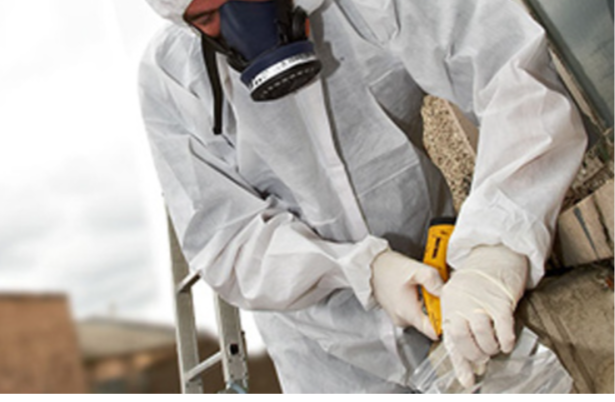
During the inspection, experts may collect samples of suspect materials for laboratory analysis. This sampling process is carried out carefully to prevent fiber release. Once the samples are collected, they will be sent for testing to confirm the presence of asbestos.
Benefit:
Lab-certified results provide an accurate understanding of asbestos content, allowing you to take informed action.
4. Survey Report
Once the survey is completed, you will receive a detailed report. The report typically lists the location, type, and condition of all identified asbestos-containing materials. It will also include recommendations for managing the risks, whether that means sealing, removal, or monitoring the material.
Benefit:
The survey report serves as an actionable guide, enabling you to make prompt, effective decisions about managing asbestos risks.
The Benefits of Undertaking an Asbestos Survey
1. Ensuring Compliance
Asbestos surveys are often legally required for certain property alterations or demolition projects. Completing this procedure protects you from legal issues while ensuring compliance with health and safety regulations.
2. Protecting Health and Safety
The presence of asbestos poses a significant health risk to workers, tenants, and family members. By detecting and managing asbestos, you actively create a safer environment.
3. Preserving Property Value
A clear asbestos survey report reassures potential buyers or investors that a property is safe and well-maintained, preserving its market value.
4. Facilitating Renovations
Renovation and demolition projects risk disturbing asbestos materials. A survey helps you identify and address these risks, ensuring a smoother construction process.
Moving Forward Safely
An asbestos survey plays an essential role in protecting people and properties from serious health risks. Whether you are planning construction work or simply maintaining an older building, understanding what to expect during an asbestos survey ensures you’re prepared and protected.